

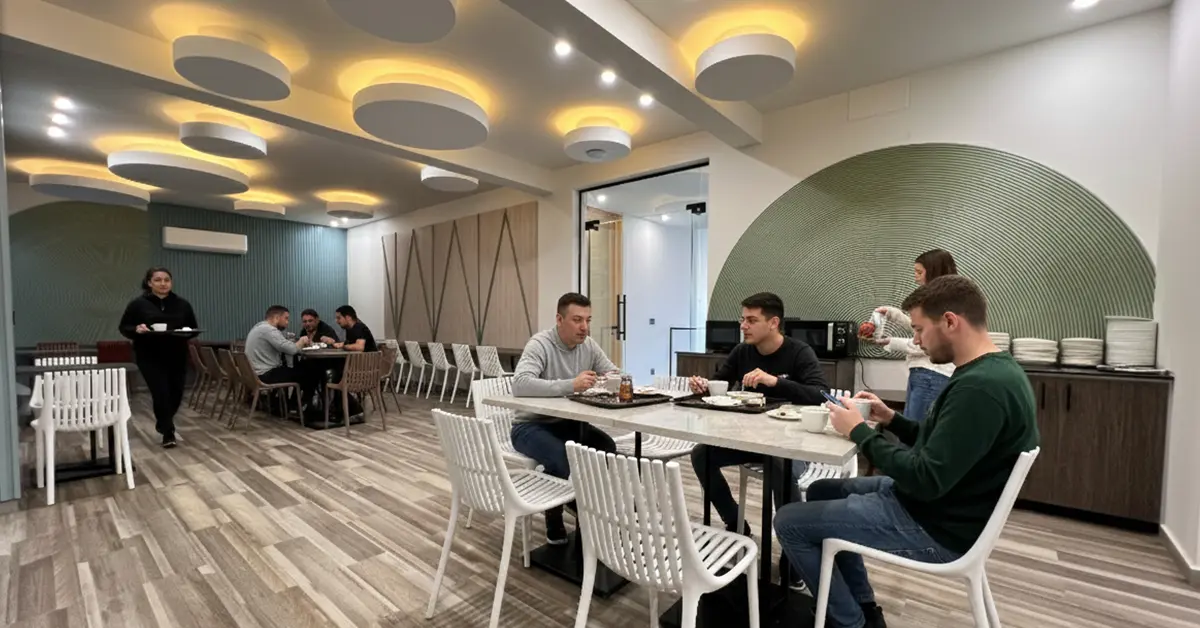
Nobody talks about the elephant in the room at coworking spaces, that suspicious stain on the couch. The keyboard feels slightly sticky. The coffee mug someone left in the sink three days ago. Yeah, we’ve all seen it.
WorkPod gets it. Shared spaces can get nasty fast when people forget they’re not at home. But here’s the thing: a clean workspace isn’t rocket science. It just needs people who give a damn.
The Real Problem With Messy Workspaces
Ever walked into a space and immediately felt off? That’s your brain picking up on a mess before you consciously notice it. Dirty spaces literally stress you out. Your mind keeps wandering to that pile of dishes or that overflowing trash can, rather than focusing on your actual work.
Germs are everywhere in shared spaces. That mouse you’re using? Probably touched by twenty people this week. The door handle? Don’t even think about it. Without regular cleaning, coworking spaces johar town lahore become illness factories.
Studies show that people get way more done in clean environments. Not because they’re neat freaks, but because their brain isn’t constantly distracted by visual chaos.
Morning Rituals That Actually Matter
Most productivity advice is trash. But starting your day by wiping down your desk? That’s actually smart. Takes literally two minutes. Grab a disinfectant wipe, clean your desk, keyboard, and mouse. Done. Some people think this is extra. Those same people are the ones getting sick every month. The psychological boost is real, though. A clean desk equals a fresh start equals a better mood.
High-Touch Surfaces Are Disgusting
Time for some uncomfortable truth. Door handles in shared spaces have more bacteria than most toilet seats. That printer everyone uses? Germier than your phone, and your phone is already gross.
Bright coworking spaces clean these spots multiple times daily. But between cleanings, you’re touching surfaces that dozens of people have touched. Washing your hands frequently isn’t being paranoid; it’s being smart.
Keep hand sanitizer at your desk. Use it after touching shared stuff. Wipe down equipment before and after use. Yeah, it seems like overkill until half the office calls in sick and you’re the one still healthy.
The Kitchen Situation Needs Addressing
Coworking space kitchens can be disgusting. We’ve all witnessed it. Dishes piling up like a modern art installation. Mystery leftovers in the fridge that could walk out on their own. Coffee spills that have been there so long are basically permanent.
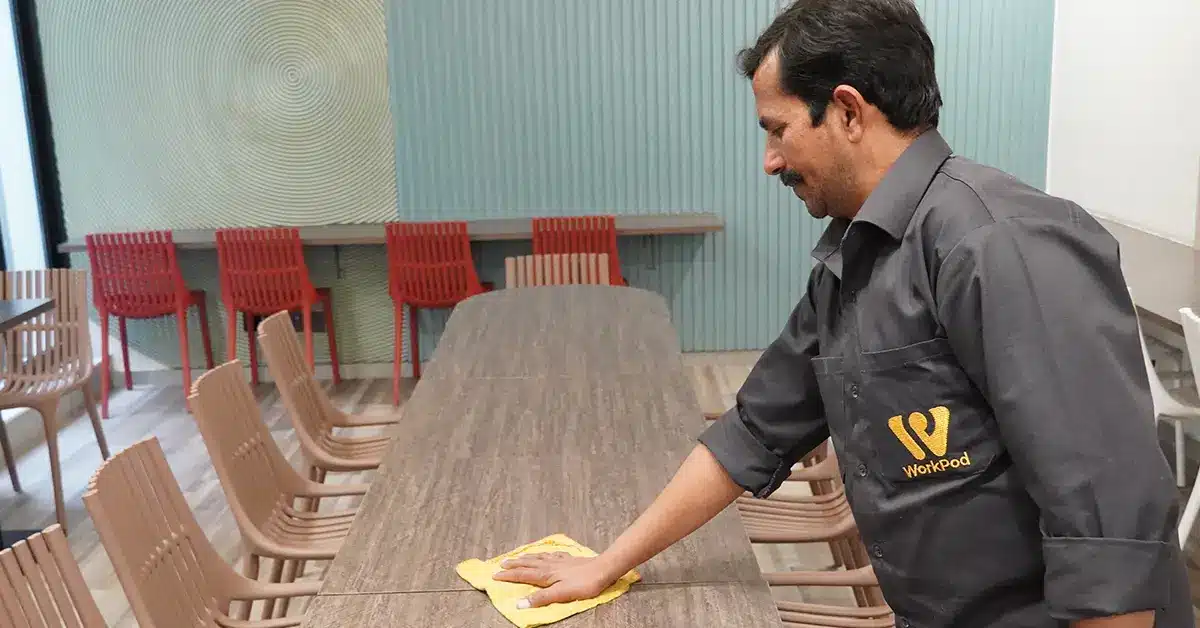
Here’s the unwritten rule that should be written everywhere: Clean. Your. Own. Dishes. Right away. Not later. Not tomorrow. Now.
That “I’ll wash it after this meeting” never happens. We both know it. The dishes sit there, other people see them, think it’s okay to leave their dishes too, and suddenly there’s a full-blown dish crisis.
Wipe the counter after making coffee. It takes five seconds. Label your food in the fridge with dates. Take home anything older than three days. These aren’t revolutionary concepts – they’re basic respect for shared space.
Bathroom Real Talk
Bathrooms show whether a coworking space actually cares about hygiene or just talks about it. Full soap dispensers, stocked paper products, and regular cleaning separate the good spaces from the sketchy ones.
Wash your hands properly. Like, actually properly. Twenty seconds minimum. Soap, water, scrub between your fingers, under your nails, the whole deal. Most people do this pathetic three-second rinse that does nothing.
See something wrong? Report it. Empty soap? Tell someone. Broken lock? Speak up. Don’t assume someone else will handle it because spoiler alert – they won’t.
Your Desk Isn’t Your Bedroom
Some people treat their coworking desk like a storage unit. Papers everywhere, coffee cups breeding bacteria, random cables forming a rat’s nest. This isn’t charming. It’s just messy.
Get some basic organizers. File papers regularly. Take mugs to the kitchen daily. Charge your devices without creating cable spaghetti. Your neighbors will silently thank you.
There’s a difference between ‘lived in’ and ‘lives here’. One is relatable, the other is concerning. Keep your space organized enough that people don’t worry about you.
Air Quality Is Underrated
Stuffy rooms make everyone tired and cranky. Good ventilation is game-changing, but most people ignore it. Crack a window. Get the air moving. Your brain literally works better with fresh oxygen.
Plants aren’t just for Instagram. They actually clean the air. Snake plants, pothos, spider plants – all easy to maintain and actually functional. Plus, they make your desk look less sad.
Waste Management: Fancy Term for Trash
Taking out trash when it’s full shouldn’t require a committee meeting. See a full bin? Empty it. Don’t play trash Jenga, trying to balance one more piece on top.
Food waste is the worst offender when it comes to bad smells.
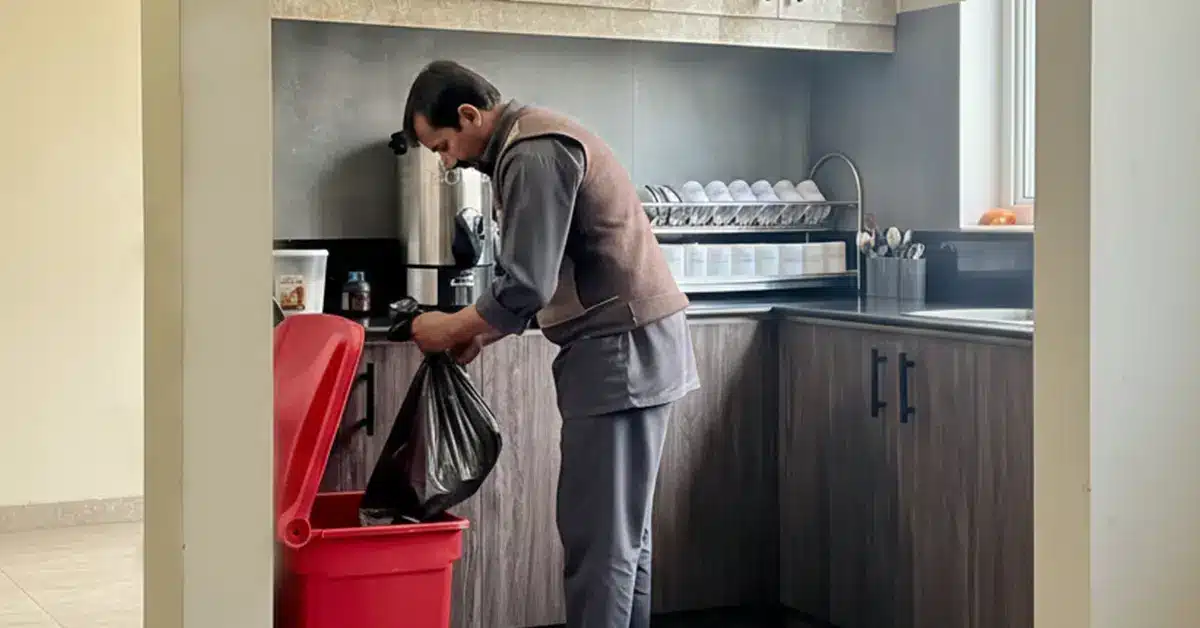
Wrap it properly. Don’t let it sit. Nobody wants to smell your leftover biryani from Tuesday.
Recycling matters. Learn what goes where. Rinse your containers. Break down boxes. It’s not complicated; people just get lazy.
When You’re Sick, Stay Home
This shouldn’t need saying, but it does. If you’re sick, work from home. Nobody wants your germs. That deadline isn’t worth infecting twelve people.
Cover your coughs and sneezes with your elbow. Use tissues immediately. Throw them away right after. Hand sanitizer between hand washes. These are pandemic lessons we should’ve learned by now.
Tech Solutions That Help
Touchless dispensers for soap and sanitizer significantly reduce the spread of germs. Motion-activated everything means less surface contact. These investments actually pay off.
UV sanitizers for phones and keyboards sound gimmicky, but actually work. Your phone is legitimately one of the dirtiest things you own. Sanitizing it regularly makes sense.
Making It Sustainable
Daily five-minute tidying beats monthly deep cleaning. Small, consistent efforts prevent big problems. It’s like exercise, regular, small sessions beat occasional, intense ones.
Keep supplies accessible. Can’t clean without wipes nearby. Most people are lazy.
Checklists help if you’re forgetful. Nothing complicated, just wipe down the desk, organize papers, and sanitize the keyboard. Check them off. Dopamine hit achieved.
Community Responsibility
Nobody can maintain an entire coworking space on their own. It requires collective effort. Understanding this builds actual community instead of just people existing in the same space.
Communicate issues directly but kindly. “Hey, the kitchen sink is getting pretty full” works better than passive-aggressive notes. Have actual conversations.
Appreciate people who consistently keep things clean. A quick acknowledgment goes far. Everyone likes feeling noticed for doing the right thing.
Conclusion
Clean coworking doesn’t happen by chance, especially at WorkPod. It happens because people care enough to put in small, consistent habits that prevent big, disgusting problems. A few minutes each day keep shared spaces healthy, usable, and stress-free.
These habits pay off: fewer sick days, more precise focus, and a workspace that actually feels good to walk into. Cleanliness is basic professionalism; it shows respect for yourself and everyone around you. When a space stays organized, teamwork flows more smoothly, and work stops feeling like a chore.


