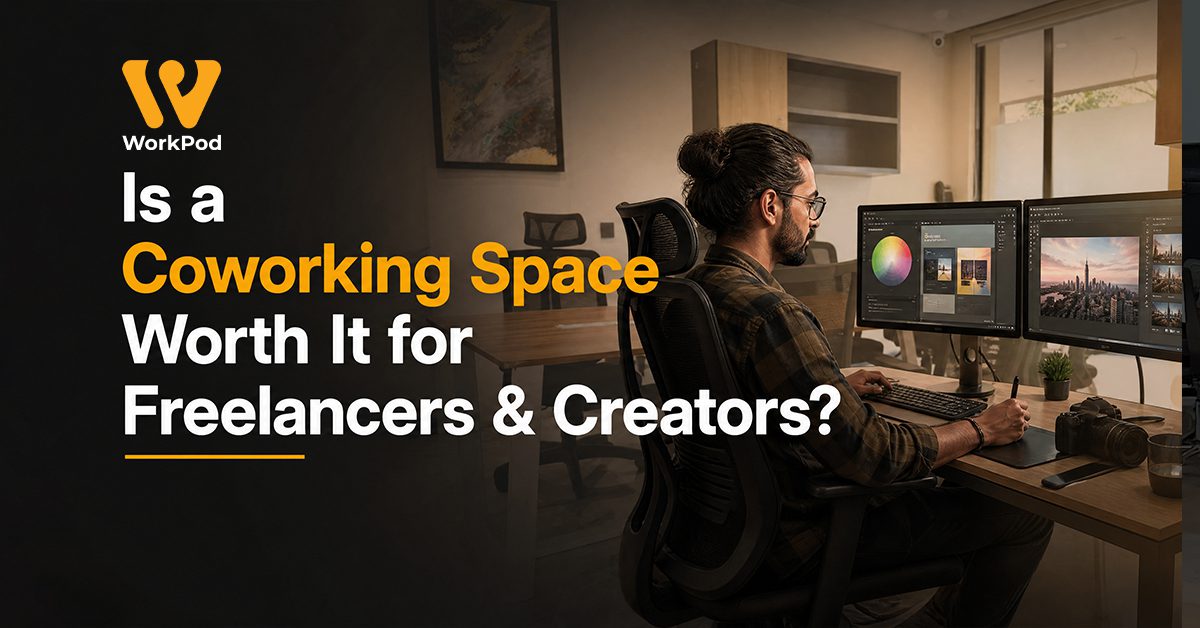

Last Tuesday, I met Ahmed at a cafe in Johar Town. He’s been freelancing in web development for 2 years, earning a decent income and enjoying complete freedom. But he looked exhausted.
I can’t focus anymore, he told me. My apartment feels like a prison. I suggested he check out a coworking space. Three weeks later, he sent me a message: Why didn’t I do this a year ago?
That conversation reminded me why these spaces exist, not as trendy offices with fancy furniture, but as solutions to real problems that remote workers face every single day.
The Isolation Problem Is Worse Than You Think
When you work from home, the first month feels amazing: no commute, no dress code, complete control over your schedule. By month three, you realize you haven’t spoken to another human face-to-face in days. Your social interaction consists of Zoom calls and WhatsApp messages. You start forgetting how to have regular conversations.
This isn’t about being introverted or extroverted. Your brain needs human interaction the same way it needs sleep. Without it, everything starts breaking down, motivation drops, creativity dies, and depression creeps in quietly.
I’ve watched this happen to talented professionals who chose freelancing for freedom but ended up trapped in loneliness. The best coworking spaces fix this by putting you in a room with others who understand exactly what you’re building. Not forced networking events with awkward small talk. Just regular humans working on their own projects, available for a quick conversation when you need one.
The Real Cost of Working From Your Apartment
Renting traditional office space in Lahore ranges from 50,000 to 200,000 rupees per month, depending on location and size. That’s before you factor in electricity, internet, furniture, maintenance, and security deposits.
For a freelancer or small team, those numbers don’t make sense. You’re spending money on space instead of growing your business. But working from home has hidden costs, too. Lost productivity from constant distractions. Missing business opportunities because you have nowhere professional to meet clients. The mental toll of never separating work from personal life.
Shared workspaces provide everything you need: desk, internet, electricity, meeting rooms, coffee, for a fraction of traditional office costs. You pay a single fixed amount, and everything’s handled.
Where Do You Meet Clients Without Looking Unprofessional?
This meeting space problem costs people actual business. Clients judge you by your environment. Show up at a proper workspace, and they see someone established. Meet them at McDonald’s, and they wonder if you’re serious.
Professional meeting rooms you can book whenever needed solve this completely. Your clients walk into a proper office environment. You discuss projects without background noise or interruptions: simple solution, massive impact on how clients perceive you.
Your Focus Dies at Home Here’s Why
I tested this myself last year. Worked from home for one week and tracked every distraction:
- Doorbell rang 4 times: deliveries, neighbors, random salespeople
- Phone calls from family who “just wanted to chat” because I’m home
- Laundry, dishes, cooking, pulling my attention
- Construction noise from next door
- Random YouTube rabbit holes
- Cat is demanding attention at the worst possible times
By Thursday, I’ll accomplish 3 hours of real focused work per day. The rest was interrupted chaos. Compare that to working at a shared workspace: Everyone around you is focused. No doorbells. No family interruptions. No household chores calling your name. Your brain switches into work mode because the environment demands it. That’s not willpower or discipline. That’s environment design doing the heavy lifting for you.
The Network You Build Without Even Trying
I’m terrible at networking events. The forced conversations, the business card exchanges with people you’ll never contact, it all feels fake. But coworking environments work differently. You’re around the same people regularly. You make coffee at the same machine. You both struggle with the printer. You grab lunch sometimes. That’s not networking. That’s just being human in a shared space.
A marketing consultant I know got six clients through casual conversations at her workspace. Not because she was pitching services, but because people naturally came to know her work ethic and skills over time.
The Structure That Saves Your Mental Health
When your bedroom is also your office, your brain never entirely switches off. You wake up and see your laptop. You finish work, but you’re still at your desk. You try to sleep, but tomorrow’s tasks are running through your head. This bleed between work and life slowly destroys people. You’re never fully working and never fully relaxing. Everything blurs into exhausting gray. Professional workspaces create physical separation. You get ready, leave your house and work, and come home, a simple routine, massive psychological impact.
What Makes a Good Coworking Space
I’ve visited most shared workspaces around Lahore. Some are basically fancy cafes with desks. Others feel like corporate offices with all the soul sucked out.
The best ones hit the balance. Professional enough for client meetings, relaxed enough that you actually want to spend your day there.
The internet actually works, properly fast, not “technically functional.” The coffee doesn’t taste like punishment. The meeting rooms are available when you need them, not perpetually booked by the same two people.
But here’s what really matters: the people running it understand the problems freelancers and remote workers face because they’ve lived them. They’re not property managers renting desks. They’re building an actual community.
Who Benefits Most From This Setup
Based on watching hundreds of professionals use these spaces, here’s who gets the most value:
- Freelancers : are tired of working in isolation and losing productivity to home distractions.
- Remote employees : whose companies don’t have a Lahore office but need a professional workspace.
- Small business owners : who need meeting space and a professional environment without massive overhead.
- Side hustlers : building something after hours who need separation from their home environment.
- Anyone whose work quality suffered : the moment they tried making their dining table a permanent office.
The Cost-Benefit Reality Check
Monthly membership at a coworking space in Johar Town typically runs 15,000 to 35,000 rupees, depending on whether you need dedicated desk space or flexible options.
Compare that to:
- Traditional office rent: 50,000-200,000 rupees
- Coffee shop expenses: 10,000-20,000 rupees
- Lost productivity from poor home setup: incalculable
- Mental health impact of isolation: also incalculable
The math makes sense even before you factor in professional meeting space, reliable internet, and the network you’ll build naturally.
Test It Before You Commit to Anything
Don’t trust my opinion or anyone else’s marketing content. Try it yourself. Most spaces offer trial options so you can experience the environment before committing. Show up, work on real projects, talk to other members, test the internet speed, and use the meeting rooms.
You’ll know within two days whether it works for your workflow and personality. Some people thrive in shared work environments. Others prefer solitude. Only your experience tells you which category you’re in.
What This Actually Solves For You
These spaces won’t magically turn a failing business into a success. They won’t replace hard work or genuine skills.
But they remove the friction that holds talented people back. They create environmental conditions that foster focus naturally. They provide professional credibility without professional-level costs. They surround you with people who understand what you’re building.
For professionals struggling with isolation, focus problems, or a lack of professional space, that’s everything.
Ahmed, the developer I mentioned at the beginning? His output hasn’t doubled or tripled. But he’s consistent now. He shows up, he works, he goes home. He’s building his business steadily instead of fighting his environment daily.
Sometimes that’s the breakthrough, not working harder, but removing the obstacles that make hard work nearly impossible.
Practical Next Steps If You’re Considering This
First, honestly assess what your current setup costs you, not just in money, but in productivity, mental health, and missed opportunities.
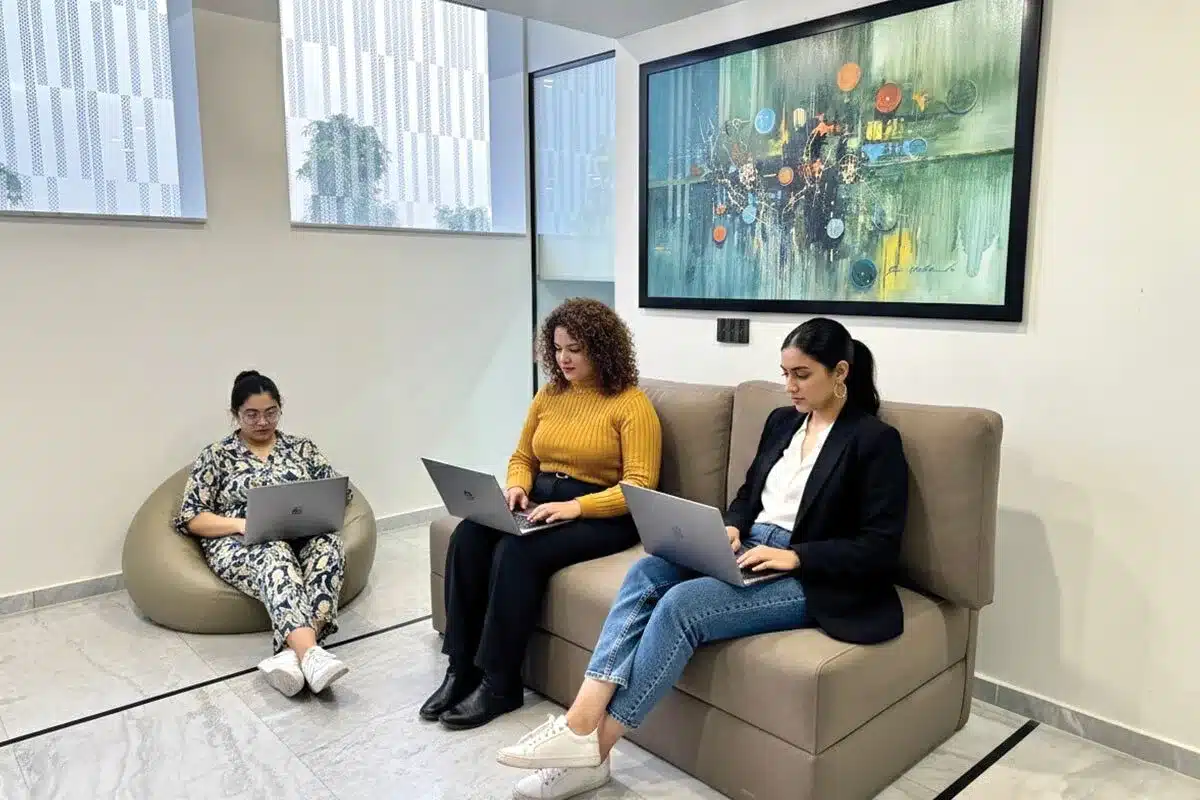
Second, visit a few coworking spaces around you. Step inside WorkPod to see how a space built for focus and comfort actually feels in action. Talk to people working there and notice whether it matches your pace and energy.
Third, try it for a week. Work on real projects in real conditions. Track your focus, productivity, and mental state.
The decision becomes obvious after that. Either the environment helps your work or it doesn’t. Either you feel more energized or you don’t. Trust your experience.
Conclusion
Working from home sounded perfect until it wasn’t. Freedom turned into isolation. Flexibility turned into chaos. Comfort turned into a distraction.
Shared professional workspaces solve these problems by offering what home can’t: focus, human connection, and structure that supports real work. Spaces like WorkPod go further, adding community, design, and dependability that make work feel right again.
Not everyone needs this change. But for professionals whose productivity and mental health are slipping at home, it’s often the slight shift that makes everything else start working better.
FAQS
Can I meet clients at coworking spaces?
A: Absolutely. Meeting rooms are specifically designed for client meetings. You can book them by the hour, show up early to prepare, and conduct business in a professional environment. This is one of the main reasons freelancers and small business owners use these spaces: they need professional meeting space without renting a whole office.
What if I’m an introvert who prefers working alone?
A: Shared workspaces work well for introverts, too. You’re not forced into constant interaction. Most people wear headphones and focus on their own work. The difference from home is that you have the option for human interaction when you need it, plus the focus benefits of working in a professional environment. Many introverts prefer this setup to both traditional offices (too much forced interaction) and home (too isolated).
Is the internet fast enough for video calls and large file uploads?
A: Yes, reliable high-speed internet is fundamental to any good workspace. Most professional spaces provide business-grade internet specifically because members need it for video conferences, client calls, and uploading large files. Before joining any space, test the internet speed yourself during a trial day, if it’s not genuinely fast, the space isn’t worth using, regardless of other features.