
Lahore’s work culture has changed big time over the past few years. Remember when everyone needed a traditional office? Those days are gone now. More people are checking out coworking spaces instead, and it makes sense: lower costs, better networking and way more flexibility.
But here’s where it gets tricky. You walk into these spaces and two main options are staring at you: grab the same desk every day, or just pick whatever’s open when you arrive. Sounds simple. Well, not really. This choice affects everything from how much you’ll pay to how productive you’ll actually be.
I’ve spoken with people using both setups around Lahore, and trust me, there’s no one-size-fits-all answer here. What works brilliantly for your friend might drive you absolutely crazy. Let’s break down what each option actually looks like in real life.
Your Permanent Productivity Hub
What You’re Getting
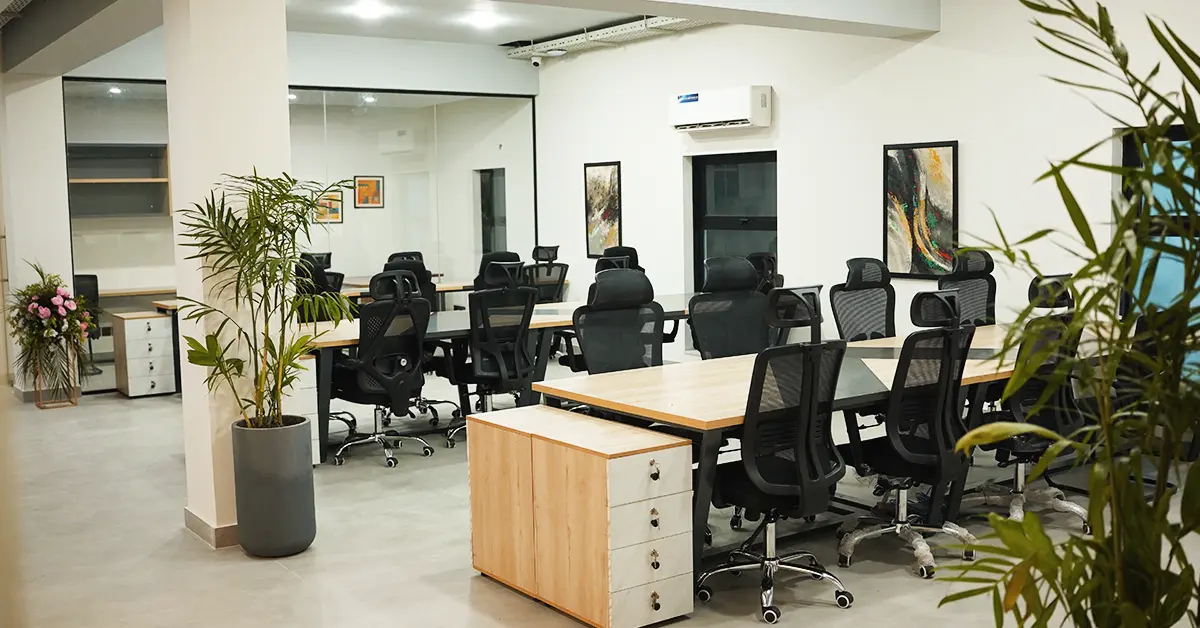
Same chair, same desk, same view every single morning. That’s basically what a dedicated station gives you. You pay extra to claim one specific spot that nobody else touches. Your stuff stays there overnight. Your charging cables remain plugged in. Everything waits exactly where you left it.
Why Routine Helps Some People
There is something weirdly comforting about knowing your exact location before you even leave home. No walking around with your laptop looking for space. No adjusting to weird lighting that gives you headaches by noon. You sit down and start working immediately.
I know someone running a small accounting firm from a dedicated desk in johar town lahore. She’s got client files organized in drawers, her dual monitors positioned perfectly, and everything labeled. She told me she tried the flexible thing for two months and absolutely hated having to start each day hunting for a decent spot.
Your Own Little Territory
You’re still sharing the overall space with others. But having your designated area changes things. People learn not to interrupt you randomly. You develop a rhythm with folks sitting nearby. It feels less like a crowded cafe and more like an actual office.
When Projects Need Time
You are building something complex, designing a marketing campaign that takes six weeks, or developing software with a million moving parts. Having reference materials permanently available just makes life easier. You don’t waste twenty minutes unpacking boxes every morning and repacking every evening.
The Flexible Desk Experience
How This Actually Plays Out
Forget assigned seating. You show up, scope out what’s available, and claim whatever looks good at the moment. Want sunshine today? Grab the window spot. Need absolute silence? Head to that back corner that everyone ignores. Feeling social? Park yourself at the big communal table.

Freedom Has Its Perks
You need complete isolation to smash through spreadsheets. On other days, you’re brainstorming and want energy around you. Flexible seating lets you match your environment to your actual task rather than forcing everything into a single static location.
My cousin freelances as a content writer and swears by this approach. She bounces between quiet zones for research-heavy work and busier areas when she’s editing or doing lighter tasks. Says the movement keeps her brain engaged instead of going numb from routine.
Meeting Random Interesting People
Permanent desks mean you basically see the same faces forever. Flexible seating throws you next to someone new almost daily. Sometimes it’s annoying, sure. But I’ve heard stories of collaborations forming, clients being referred, and friendships developing purely because someone sat next to the proper stranger on the right day.
Who Actually Benefits
Freelancers love this model, especially if their schedules vary widely. Why pay premium rates for a desk you’ll only use twice weekly? Hybrid workers splitting time between home and coworking spaces feel the same way; no point owning territory you’re barely occupying.
Then some folks just get bored easily. If the thought of seeing identical walls for months makes you want to scream, flexible arrangements prevent that trapped feeling.
Getting Around Lahore Matters
Gulberg’s Central Location Problem
Gulberg puts you right in the middle of everything. Great for client meetings and grabbing lunch at decent restaurants. But have you driven Main Boulevard during rush hour lately? Some mornings, it takes nearly an hour just to cover a few kilometers.
Ask yourself honestly: Is fighting that traffic daily worth the prestige of a Gulberg address? Yes, if clients visit you frequently. Maybe not if you’re mostly working solo.
Johar Town’s Quieter Vibe
This area feels way more residential, which some people love and others find boring. If you already live in Johar Town or nearby, choosing a coworking spot here could save you an hour daily. That’s five hours weekly you could spend actually working or sleeping, in let’s be real.
DHA’s Fancy Factor
Everything in DHA looks polished and professional. The infrastructure works properly. Security feels tight. But you’re definitely paying extra for that premium environment. Makes sense for certain businesses where image really matters. For others, it’s just an unnecessary expense.
The Stuff Nobody Mentions
Can you actually park without circling for twenty minutes? Is there a decent breakfast spot within walking distance? What happens if you need to run to a pharmacy or a bank quickly? These boring logistics affect your daily experience way more than fancy furniture does.
Figure Out Your Working Style
Are You a Planner or Improviser?
Honest question: do you schedule everything in advance, or do you wing it based on how you’re feeling? Highly structured people typically adjust better to permanent setups. If you need flexibility because your energy and focus shift unpredictably, rotating desks suits you better.

Distraction Tolerance Levels
Environmental changes can completely wreck some people’s concentration. You may be that person who needs everything familiar to get into flow state. Or maybe you’re the opposite, monotony kills your motivation, and new surroundings actually help you focus.
What You’re Hauling Around
Traveling light with just a laptop? Flexible seating works fine. Lugging multiple monitors, mechanical keyboards, notebooks, and chargers? That gets old fast when you’re setting up and breaking down daily.
Timeline of Your Work
Managing a three-month project with tons of paperwork and reference materials? Permanent space makes practical sense. Jumping between short assignments that only last days or weeks? Flexible arrangements match that reality better.
Money Talk Because It Matters
What Things Actually Cost
Dedicated desks cost more, sometimes significantly more. You’re paying for guaranteed availability and the right to leave belongings overnight. Flexible memberships run cheaper but come with trade-offs, especially during busy periods when competition for good spots heats up.
Do the Real Math
Don’t just compare monthly prices. Calculate what you’d actually spend based on genuine usage patterns, coming in three days a week? Flexible pricing might save you serious money. Showing up six or seven days? Permanent arrangements often become more economical.
Reading the Fine Print
Some places lock you into quarterly or annual contracts for dedicated desks. Flexible memberships usually run month-to-month. Think hard about how certain you feel regarding location, schedule stability, and budget consistency before signing anything long-term.
Sneaky Extra Charges
Permanent setups might include perks such as storage lockers, 24-hour access, or priority booking for meeting rooms. Flexible plans sometimes nickel-and-dime you for those exact things. Read what’s included before assuming anything.
What Your Choice Signals
The Stability Message
Clients visiting you at a permanent desk perceive reliability and an established presence. If your industry values longevity and consistency, law, accounting, and consulting, this impression actually matters.
The Adaptable Modern Look
Flexible arrangements broadcast different vibes: nimble, current, open to change. Tech startups and creative agencies sometimes deliberately prefer this image. Neither approach beats the other universally; match yours to your actual brand.
Building Connections That Count
Quality Versus Quantity
Permanent neighbors become genuine relationships over time. You share coffee breaks, complain about internet outages together, and eventually trust each other enough to exchange referrals. That depth takes repeated proximity. Flexible seating introduces you to way more people superficially. Dozens of brief conversations instead of a handful of deep connections. Some personalities thrive on breadth; others need depth.
Events Bridge the Gap
Regardless of desk type, participating in community events, such as happy hours, workshops, and skill shares, builds relationships. Your seating arrangement matters less than whether you actually show up and engage.
Actually Making This Decision
Track Your Real Patterns
Spend a week monitoring where you work, how long you work, and what you accomplish. Patterns emerge quickly. Maybe you thought you’d love variety, but actually get stressed without routine. Or that routine you assumed you needed bores you senseless.
Test Both If Possible
Lots of coworking places sell day passes or short-term trials. Use them. Spend real working time experiencing both models before committing serious money. Theory means nothing compared to experience.
Ask People Already There
Current members tell you things marketing materials never mention. Which hours get impossibly crowded? Does management actually respond when stuff breaks? Is the community genuinely friendly or just performatively nice?
Why WorkPod Works
A Setup That Moves With Your Workflow
What I like about WorkPod is that they don’t force you into one box. Both permanent and flexible options exist under the same roof. Do your needs change as projects shift? Just switch the arrangements without moving anything.
Infrastructure You Can Count On
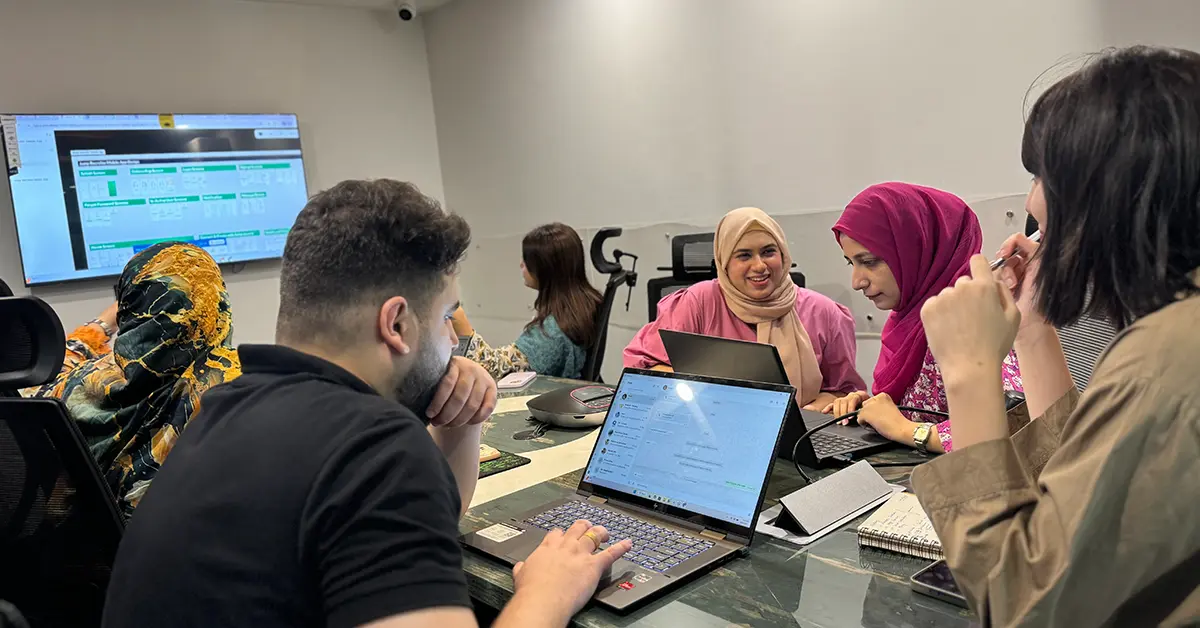
Meeting rooms that aren’t constantly booked. An internet that doesn’t mysteriously die during video calls. A cafe area where coffee doesn’t taste like sadness. Game room when your brain needs a legitimate break. Basic infrastructure that just works changes everything.
A Location That Works for Your Day
WorkPod sits in the heart of Johar Town, right where Lahore’s busiest routes meet convenience. You’re not wasting half your day battling city traffic; getting here is quick from surrounding neighborhoods like Township, Wapda Town, Faisal Town, and even DHA via Ring Road.
Parking isn’t a stressful scavenger hunt, and lunch options are all around you, from quick bites to proper meals. It’s a location built for real working routines, not daily commuting chaos.
Community That’s Real
Regular events bring people together, networking sessions that don’t feel forced, skill workshops that actually teach useful stuff, and social gatherings where conversations happen naturally. Building professional relationships feels organic instead of awkward.
Conclusion
What makes your coworker incredibly productive might make you miserable. And that’s completely fine.
If you need structure, handle long-term projects, and value personalized environments, dedicated desks are a good fit. If variety energizes you, your schedule fluctuates, or you’re freelancing with unpredictable needs, flexible arrangements are likely a better fit. Lahore’s coworking scene is growing, so you’re not stuck with one choice forever. Your career evolves. Your preferences shift. What works perfectly now may be completely wrong a year from today.
Visit spaces during your actual working hours. Watch how the environment flows. Talk to real members, not just the sales team. Pay attention to your gut reaction; sometimes your instincts know things your logical brain hasn’t processed yet.
A good workspace becomes invisible; it just lets you work without creating constant friction. Still unsure which model suits you? Stop by WorkPod and actually test both approaches. Spend time in each setup. Sometimes clarity comes only from physical experience, not endless mental debate.
Your productivity matters too much to settle for environments built around someone else’s needs. Choose what actually fits your workflow, personality, and professional goals. That’s the only decision that makes absolute sense.
FAQs
What’s the difference between dedicated and flexible desks?
Dedicated desks are permanently assigned to you with storage and setup convenience, while flexible desks let you pick any available spot each day.
Can I switch between permanent and flexible options?
Yes! Coworking spaces let you adjust your setup as your project needs or schedule change, without hassle.
What amenities are usually included?
Reliable internet, meeting rooms, cafe, game room, and a professional coworking environment to support productivity.