

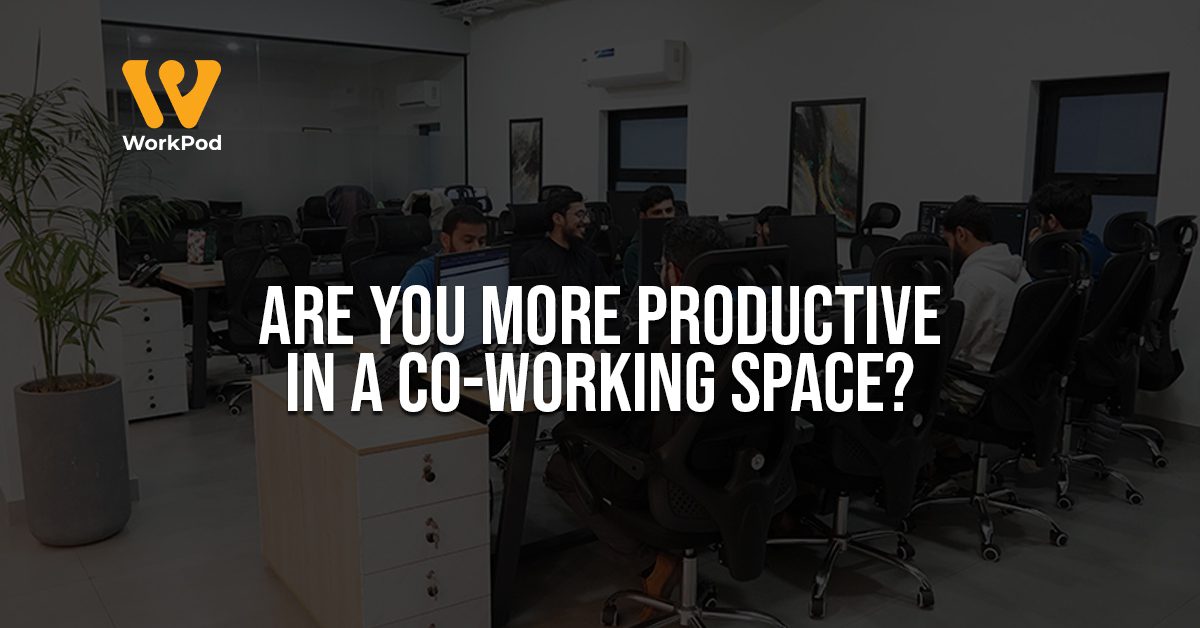
You sit down to work. Ten minutes in, someone calls your name. A notification pops up. The TV hums in the next room. Before you know it, two hours are gone and your task list looks exactly the same.
Sound familiar? Millions of remote workers, freelancers and founders deal with this every single day. The problem is not your work ethic. It is your environment. Where you work shapes how well you work, more than most people realize.
This article breaks down whether a coworking space can genuinely boost your productivity, who gains the most, and how to make a shared workspace deliver real results for your work.
Why Environment Shapes Performance
Your brain constantly picks up cues from your surroundings. A cluttered kitchen table signals rest and relaxation. A well-lit desk surrounded by other focused people signals work. This is not a motivational idea. It is behavioral psychology.
Environmental design directly affects your attention, energy, and mental state. When your surroundings match the task at hand, your brain shifts into the right gear faster. A workspace built for productivity, with good lighting, clean surfaces and a focused atmosphere, removes internal friction before you even open your laptop.
This is why the same person can feel sluggish at home but sharp and alert the moment they walk into a professional workspace. The environment does real cognitive work before you start.
The Productivity Problem at Home
Working from home sounds ideal. No commute, flexible hours, full control of your schedule. In practice, it often creates a different kind of exhaustion that builds slowly.
Household distractions are constant and unpredictable. Family members, delivery alerts, visible chores, and the fridge ten steps away all compete for your attention. You cannot fully switch off home mode while you are still physically in it. That mental overlap is draining, even when each interruption feels small.
Isolation is another quiet issue. Without colleagues nearby, decision fatigue sets in. Simple choices feel heavier when there is no one to quickly bounce ideas off. Over weeks and months, the lack of human interaction chips away at motivation in ways that are easy to miss until output drops noticeably.
Hidden Cost of Distractions
Research in cognitive psychology shows it takes around 20 to 25 minutes to fully regain focus after a single interruption. If you are disrupted three or four times a morning, you may never reach deep concentration at all. The work still gets done, but it takes twice as long and costs far more mental energy. Across a full week, those lost hours add up to a significant productivity gap.
What Makes Coworking Different
A coworking space is not just a desk outside your home. It is a purpose-built environment with one job: helping people do their best work.
The professional atmosphere matters more than most people expect. When everyone around you is focused, it becomes much easier for you to focus. Psychologists call this the behavioral conformity effect. You naturally mirror the energy in the room, and in a coworking space, that energy is productive by design.
Structure plays a role too. Even a short commute to a workspace creates a mental transition. You leave home mode behind and enter work mode. That daily ritual signals to your brain that the workday has begun. For many professionals, this simple shift in routine alone noticeably improves what they accomplish before noon.
How Structure Boosts Focus
Deep work, the kind that moves real projects forward, requires long uninterrupted blocks of concentration. Coworking spaces are built to support this. Quiet zones, private booths, and professional norms around noise reduce the random interruptions that fragment focused thinking.
Accountability works differently here too. When you are surrounded by people working hard, walking away early or getting pulled into social media feels uncomfortable. That mild social awareness is not stressful. It is genuinely motivating. Regular members consistently name this as one of the most valuable and least expected benefits.
Time management also improves with a fixed workspace. Clear start and end points to the workday create natural boundaries. Work begins when you arrive. It wraps up when you leave. That structure prevents the common remote-work trap of technically working all day while never fully present or ever switching off.
Where Connections Create Opportunities
One of the most underrated benefits of coworking is what happens between the focused work sessions. In a shared workspace, you sit alongside founders, consultants, designers, developers, and specialists from many different fields.
A quick conversation at the coffee station can turn into a real partnership. A simple question to someone nearby can save hours of solo research. This informal knowledge exchange is almost impossible to replicate through scheduled video calls or message threads. It happens naturally and builds value over time.
Networking feels effortless here compared to formal industry events. You build genuine working relationships with people you see regularly, which leads to referrals, collaborations, and sometimes your next key hire or best client.
When Networking Happens Naturally
Many startup founders in cities like Lahore have found their first investors, early customers, or core team members through their coworking community rather than through formal channels. The value of a membership is not just the desk. It is the room full of ambitious, resourceful people around that desk. Proximity to talent and opportunity is genuinely hard to put a number on.
The Tools Behind Better Productivity
Coworking spaces quietly remove the operational friction that eats up time when you work from home or a cafe. High-speed internet that holds up on video calls. Meeting rooms you can book ahead. Printing on demand. A professional business address for your correspondence.
These things seem minor until you add them up. When you stop troubleshooting WiFi before client calls and stop searching for a quiet corner to take a meeting, you protect mental energy for the work that actually matters. Convenience reduces friction, and reduced friction gives you real hours back each week.
For small businesses and remote teams, the administrative support, including mail handling, reception services, and ready-to-use meeting infrastructure, replaces overhead that would otherwise require committing to a full traditional office lease far too early.
Flexible Workspace or Traditional Office?
Choosing between a flexible workspace and a traditional office often comes down to cost, flexibility, and convenience.
Lower Costs
A flexible workspace helps reduce overhead costs. There is no need to worry about office setup, furniture, maintenance, or long-term lease commitments.
More Flexibility
Teams can easily scale up or down as business needs change. A traditional office offers less room to adjust without additional costs.
Better Networking Opportunities
Working alongside professionals from different industries can lead to new ideas, partnerships, and business opportunities that may not happen in a private office.
Stronger Focus
A professional work environment helps many people stay focused and productive. Quiet areas and workplace routines often make it easier to concentrate.
Signs It Fits Your Work
Not every work style suits a coworking environment, but many do. Here is who tends to see the biggest and fastest gains.
Freelancers and consultants benefit from the professional setting during client meetings and from the reduced isolation that comes with long stretches of solo work. A proper workspace also makes it much easier to maintain clear boundaries between work hours and personal time.
Startup founders benefit from the ecosystem that forms naturally around coworking communities. Testing ideas with peers, finding early collaborators, and staying connected to other ambitious businesses in the same city creates value that is genuinely hard to replicate from a home office.
Remote teams benefit from having a reliable, professional base that everyone can count on. When your team is distributed, a coworking space gives each person a focused, consistent place to work rather than a mix of home setups, coffee shops, and borrowed meeting spaces.
Small business owners gain access to professional infrastructure, a business address, and meeting rooms without the cost and commitment of a full lease. This removes a heavy overhead burden at exactly the stage when cash and flexibility matter most.
Practical Ways to Stay Focused
Getting real productivity gains from a coworking space takes more than just showing up. Using it with intention is what separates people who get value from people who drift back to their home office after a few weeks.
Build a Consistent Routine
Arrive at the same time each day. Your brain will learn to associate that commute and arrival with shifting into work mode. Over time, the mental switch becomes automatic. Consistency is what turns a good environment into a deeply productive habit rather than just a change of scenery.
Use Community Strategically
Introduce yourself to the people working near you. Show up to community events and be open about what you are building. Coworking communities reward members who engage genuinely. The professionals you connect with over months of shared space often become your most valuable long-term relationships, personally and professionally.
Protect Focus Hours
Not every hour in a coworking space should be social. Block out your sharpest concentration window each day and protect it firmly. Use quiet zones or noise-cancelling headphones when you need deep uninterrupted focus. Save conversations and networking for natural breaks, not the middle of your most important creative or strategic work.
Thinking About Trying One?
If distraction, isolation, or a blurry line between work and home life has been hurting your output, a coworking space is worth testing before drawing any conclusions. Many spaces offer day passes or short flexible memberships so you can experience the environment without committing to anything long-term.
Tour a workspace near you, explore membership options that fit your schedule, and enjoy a genuine two-week trial. The right environment can shift your output in ways that no productivity app or new morning routine ever will.
The Real Productivity Verdict
The biggest gains go to people who struggle with isolation, distraction at home, or a lack of structure in their workday. For them, the focused environment, the built-in community, and the daily routine can meaningfully improve both output and work satisfaction.
For people who already work well independently with a quiet, distraction-free home setup, the gains shift more toward networking, collaboration, and the energy that comes from being around other driven professionals. That is still real value, just a different kind.
The straightforward truth is this: your workspace is one of the most powerful levers you have over your own performance. If your current setup is working against you, changing it is one of the simplest and highest-impact moves you can make. A coworking space has helped countless professionals, founders, and remote workers take that step. It can do the same for you.
FAQs
Are coworking spaces more productive than working from home?
For most people, yes. The structured environment, professional atmosphere, and presence of other focused workers creates conditions that are simply harder to replicate at home. Most coworking members report a clear improvement in daily focus and output after making the switch.
Do coworking spaces help remote teams?
They do, especially teams that need a reliable professional base without the cost of a private office. Shared workspaces give distributed teams consistent infrastructure and a community that reduces the isolation that often creeps into remote work over time.
Can freelancers benefit from coworking spaces?
Absolutely. Freelancers face isolation and motivation dips more than almost anyone, and a coworking space addresses both directly. The professional setting also improves client-facing credibility and makes it much easier to maintain healthy boundaries between work time and personal life.
What features improve productivity in a coworking space?
Reliable high-speed internet, quiet focus areas, bookable meeting rooms, and a genuinely professional atmosphere are the most important. Beyond the infrastructure, the community itself, being surrounded by motivated professionals who are all there to work, is what consistently makes the biggest difference.