
It is Monday morning. A 24-year-old opens her laptop from a sunlit coworking space in Lahore. She has already checked Slack, replied to three messages and started a design brief, all before 9 AM. Across town, her peer is stuck in a gray cubicle under fluorescent lights, waiting for a manager to approve a task he could finish in 20 minutes if someone just trusted him. Both are Gen Z, but only one is thriving.
This is the gap that employers can no longer ignore. Gen Z does not want what previous generations accepted. They are not chasing corner offices or job titles. They want growth, purpose, and a workplace that actually respects their time. In this guide, you will learn exactly what Gen Z values, what pushes them out the door, and what the modern workplace needs to do to keep them.
Gen Z Thinks About Work Differently
Gen Z grew up with the internet in their hands and a global financial crisis in their memories. They watched older generations grind for decades in jobs that disappeared overnight. That shaped how they see work. For them, a job is not just a paycheck. It is an extension of their identity and values.
Research backs this up. Nearly half of Gen Z say they want to work for companies that reflect their personal values. They are also fast learners, ready to grow. According to Randstad’s 2025 Global Workplace Blueprint, 79% of Gen Z believe they can learn new skills quickly, and 58% are excited about AI’s potential at work. This is a generation that is confident, digitally fluent, and not afraid to leave if a workplace does not meet their standards.
How Flexibility Drives Engagement
Forget optional remote Fridays. Gen Z expects flexibility to be baked into how a company operates. They care about outcomes, not clock-ins. Hybrid work is no longer a perk. It is a baseline expectation. A recent study found that 37% of working Gen Z would even prioritize remote work over health insurance. That tells you everything.
What this means practically is that rigid 9-to-5 schedules, mandatory in-office days with no clear reason, and micromanaged task lists all signal one thing to Gen Z: this company does not trust us. And when trust breaks down, they leave. Gen Z’s average job tenure is just 1.1 years, but researchers at Randstad confirm this is not aimless job-hopping. It is growth-hunting. They move when they stop growing or stop feeling respected.
Why Workplace Culture Comes First
Free snacks and a ping-pong table will not cut it. Gen Z can spot performative culture from miles away. What they actually want is belonging. They want to feel safe speaking up, sharing ideas, and being honest without fear of being shut down.
EY’s 2025 generational survey found that, when asked to define workplace culture, the top answer across all generations was simply how people treat one another. For Gen Z, psychological safety is not a buzzword. It is a deal-breaker. Environments with unclear hierarchies, passive-aggressive management, or zero recognition are the fastest way to lose young talent.
What Real Culture Looks Like
Real culture shows up in small moments. It is a manager who says good catch when someone flags an error. It is a team that celebrates a win together without forcing it. Gen Z wants transparency in decisions, honesty about the company’s direction, and inclusion that goes beyond a diversity checkbox. They want to be seen as contributors, not just headcount.
Learning Drives Every Career Decision
If there is one thing that keeps Gen Z at a job, it is growth. Not just a promotion after three years, but actual, daily learning. Skill-building workshops, access to mentorship, honest feedback loops, and opportunities to take on new challenges all matter deeply to this generation.
According to data from a 2024 Indeed global study, 42% of Gen Z say on-the-job training is their top professional development priority. They are not waiting to be spoon-fed knowledge either. Over half of Gen Z professionals are already freelancing on the side, building new skills and income streams simultaneously. Employers who offer structured learning paths, access to industry events, and mentorship programs are far more likely to keep Gen Z engaged over the long term.
Growth Beyond Job Titles
Gen Z does not just want a better title. They want to become more capable. They want exposure to different parts of a business, cross-functional projects, and the chance to work with more experienced people. A job that pays well but offers no growth will still lose them within a year. Workplaces that invest in their people’s futures get loyalty in return.
Technology Shapes the Daily Experience
Gen Z has never filled out a paper form in their professional life and they do not plan to start now. They expect digital workflows, smart tools, and seamless collaboration platforms. When a company still relies on email chains, outdated software, or clunky approval systems, it creates real friction that kills productivity.
This generation thrives with tools like Notion, Figma, Slack, and Google Workspace. They value platforms that are intuitive, fast, and built for collaboration. If a company’s tech stack feels like it belongs in 2010, Gen Z will notice. Worse, they will resent it. Modern workplaces that invest in the right tools signal that they respect their team’s time and take performance seriously.
Community Creates Stronger Engagement
Gen Z is more connected than any generation before them, yet loneliness at work is one of their biggest reported challenges. That might sound like a contradiction, but it makes sense. Online connection does not replace the energy of being around ambitious, motivated people in person.
This is one reason coworking spaces and flexible workspaces in cities like Lahore are growing fast. They offer something a home office cannot: a real community. Shared spaces bring together freelancers, startup founders, remote workers, and small teams under one roof. Networking happens naturally. Ideas cross-pollinate. You learn from someone across the room without it being a formal meeting.
Why Connections Matter
Gen Z knows that who you know shapes where you go. But they are not interested in stiff corporate networking events. They want organic, genuine connections built through shared work and shared spaces. Workplaces and environments that create natural moments for people to connect, whether through community events, shared lounges, or collaborative zones, give Gen Z something they cannot get from working alone at home.
Workspace Design Influences Performance
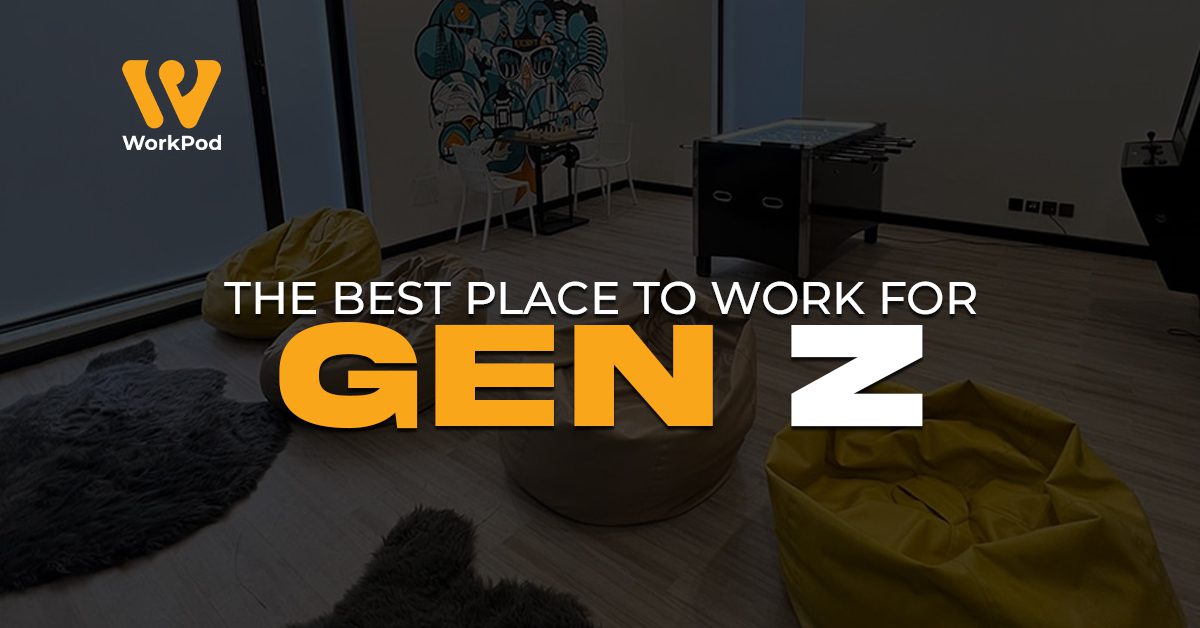
Here is something employers often overlook: the physical space where work happens directly affects how people feel and how much they produce. Natural light improves mood and reduces fatigue. Quiet focus zones help with deep work. Comfortable, well-designed areas make people want to show up.
Workplace psychology research consistently shows that people work better in environments that feel intentional. Not sterile, not chaotic, but designed with purpose. For Gen Z, a great workspace also needs to reflect who they are: creative, dynamic, and not boxed in. Spaces with open collaboration areas, private meeting rooms, and places to take a proper mental break are not luxury add-ons. They are productivity tools.
What Gen Z Actively Avoids
Micromanagement tops the list. Nothing signals distrust faster than a manager who hovers, demands constant updates, and second-guesses every decision. Gen Z wants clear goals and then space to achieve them their way. Rigid structures that punish initiative and reward compliance push them out the door fast.
Poor communication is another major issue. Gen Z grew up with instant messaging. Waiting a week for feedback or sitting through meetings that could have been a message wastes their time and signals a lack of respect. Add in outdated systems, no growth path, and leadership that is not transparent, and you have a retention crisis waiting to happen. Research shows that 61% of Gen Z would leave a job specifically for better mental health benefits. The companies that ignore these signals will continue to lose their best young talent.
What Winning Workplaces Get Right
So what do employers actually need to do? Start with listening. Survey your team. Ask what works and what does not. Gen Z will tell you exactly what they need if you create a safe space to say it. Then act on it.
Offer flexible working options, even if the role is mostly on-site. Create real mentorship programs, not just assigned lunch buddies. Upgrade your tools. Make your physical space worth showing up to. Invest in mental wellbeing support. And communicate openly about where the company is going. These are not expensive fixes. They are cultural choices. Workplaces that make these shifts consistently see stronger retention, higher engagement, and better business outcomes
The Right Environment Changes Everything
Whether you are a founder, a remote worker, or a growing team, the environment you work in shapes your results. Flexible workspaces today offer more than just a desk.
They offer private office options for focus and privacy, meeting rooms for serious conversations, community events for genuine connection, and membership plans that flex as your needs change. A virtual office setup can also give you a professional presence without locking you into a long-term lease. The right space is one that grows with you.
The Future Belongs to Better Workplaces
Gen Z is not asking for too much. They are asking for what makes people do their best work: trust, growth, flexibility, community, and a space that takes their wellbeing seriously. The companies that understand this will attract the most capable young talent. The ones that do not will keep wondering why their best people keep leaving.
The future of work is not about forcing people back into old systems. It is about building environments where people genuinely want to show up, contribute, and stay. That shift is not a trend. It is the new standard.
Frequently Asked Questions
What does Gen Z look for in a workplace?
Gen Z prioritizes flexibility, real growth opportunities, psychological safety, and a culture built on transparency and trust. They want to work somewhere that aligns with their values and invests in their development.
Why is flexibility important to Gen Z?
Gen Z ties flexibility directly to respect and autonomy. They are outcome-driven and want to work in ways that fit their lives, not just their employer’s preferred schedule.
Do Gen Z employees prefer coworking spaces?
Many do, especially freelancers, remote workers, and early-career professionals. Coworking spaces offer community, better infrastructure, and the energy of being around other motivated people without the rigidity of a traditional office.
How can companies attract Gen Z talent?
Companies should offer genuine flexibility, invest in learning and development, create psychologically safe cultures, and build workspaces that are designed for both focus and collaboration. Authenticity matters more than perks.