

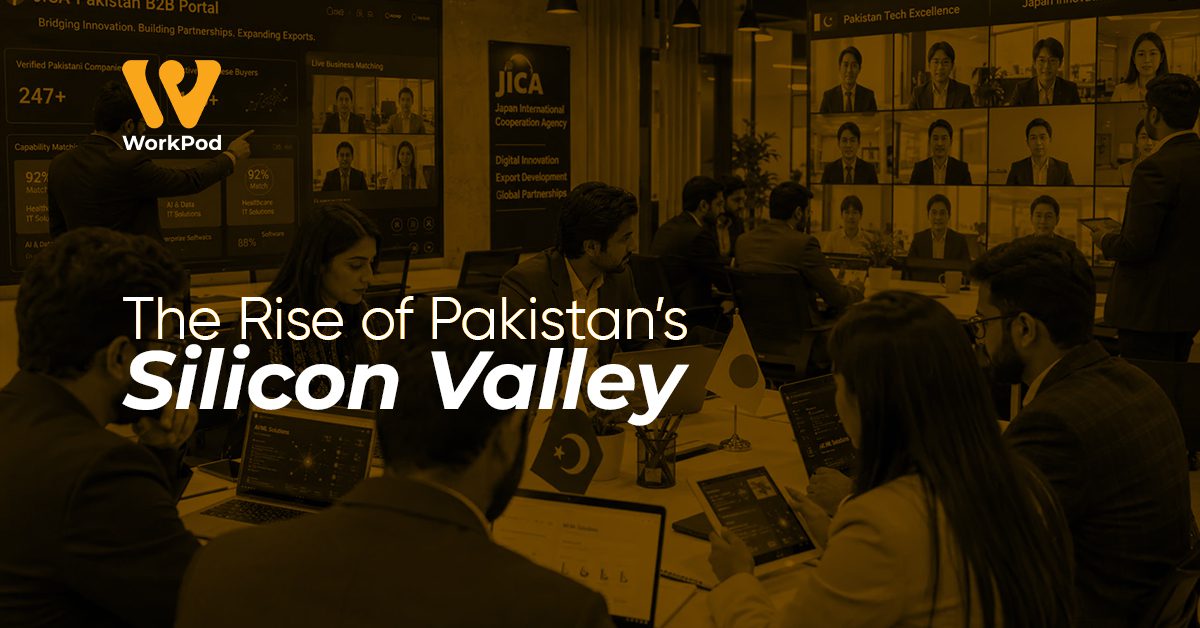
Pakistan is no longer just a developing market. It is quickly becoming one of Asia’s most exciting startup destinations. Cities like Karachi, Lahore, and Islamabad are transforming into vibrant tech hubs. Founders, investors, and global companies are all paying close attention, supported by growing collaboration in a top coworking space in Lahore that fuels innovation and networking.
The term Pakistan Silicon Valley is gaining real momentum. It reflects a shift in how the world sees Pakistan’s technology potential. This article breaks down what is driving that shift, what challenges remain, and what comes next.
How Pakistan’s Tech Ecosystem Has Grown in Recent Years
Pakistan’s tech sector has seen remarkable growth over the past decade. The number of registered startups has grown significantly. Tech exports have climbed year over year, crossing the billion-dollar mark in recent years. This growth is not accidental. It is the result of policy changes, a young population, and increased internet access.
Pakistan has one of the youngest populations in the world. Over 60 percent of its people are under 30. This means a large, digitally native workforce is entering the economy every year. Combined with rising smartphone adoption and lower mobile data costs, this creates the perfect foundation for a thriving startup ecosystem.
Why Pakistan Is Being Called a Rising Silicon Valley
The comparison to Silicon Valley is not just hype. Pakistan’s tech cities are starting to show similar patterns. You see dense clusters of startups, active investor communities, university incubators, and accelerators all working together. The energy in Lahore’s tech district or Karachi’s startup belt mirrors what early Silicon Valley looked like in its growth phase.
What makes this even more compelling is the global recognition Pakistan is receiving. Pakistani founders are now raising funds from international venture capital firms. Startups born in Lahore or Islamabad are scaling to markets in the Middle East, Europe, and North America. This outward growth is a strong signal that the Pakistan startup ecosystem is maturing fast.
Startup Innovation Trends Shaping the Ecosystem
Fintech Is Leading the Charge
Fintech is one of the fastest-growing sectors in Pakistan’s startup world. Millions of Pakistanis are unbanked or underbanked. This gap is creating a massive opportunity for digital payment apps, micro-lending platforms, and financial inclusion tools. Startups in this space are attracting serious investment and growing their user bases quickly.
Edtech and Healthtech Are Gaining Ground
Beyond fintech, education technology and health technology startups are also growing. Pakistan has a large population with limited access to quality education and healthcare. Tech startups are filling these gaps with online learning platforms, telemedicine apps, and AI-driven diagnostics. These sectors are drawing both local and international attention.
Logistics and e-commerce are also rising rapidly. As more Pakistanis shop online, the demand for last-mile delivery solutions, inventory management tools, and digital storefronts keeps growing. This creates fertile ground for entrepreneurs who want to build practical, scalable businesses.
Investment and Funding Landscape in Pakistan
Startup funding in Pakistan has grown sharply in recent years. In 2021 and 2022, Pakistani startups raised record amounts of venture capital. While global market shifts have slowed some momentum, investor interest in Pakistani tech remains strong. The ecosystem is now home to local angel networks, seed funds, and Series A investors.
International venture firms from the US, Middle East, and Southeast Asia are actively scouting Pakistani startups. Government-backed initiatives like the National Incubation Centers provide early funding and mentorship to new founders. These programs are helping close the gap between idea-stage startups and investment-ready companies. Startup funding in Pakistan is no longer a niche topic. It is becoming a core part of the country’s economic story.
The Role of Coworking Spaces and Innovation Hubs
One of the most visible parts of Pakistan’s tech rise is its growing network of coworking spaces and innovation hubs. These shared work environments do more than offer desks and WiFi. They create ecosystems where early-stage founders can work next to experienced entrepreneurs, mentors, and investors. That proximity accelerates growth in ways that working from home simply cannot.
A well-designed coworking space in Pakistan brings together developers, designers, product managers, and business leaders under one roof. This cross-functional collaboration helps startups move faster, reduces the isolation that solo founders often face, and connects teams with a wider network of partners, clients, and advisors. As the new competitive advantage Pakistani businesses can’t ignore, innovation hubs are more than just workspaces, they are engines of collaboration, community building, and knowledge exchange.
How Shared Environments Help Early-Stage Companies
For a startup with limited resources, a flexible workspace removes several early obstacles. There is no need to sign a long-term office lease. There is no heavy upfront investment in furniture or infrastructure. Early-stage teams can focus their money on building their product, hiring talent, and acquiring customers. Coworking spaces in Pakistan offer this flexibility at an accessible price point, making them a natural home for bootstrapped founders.
Beyond cost savings, these environments offer structure. Founders in shared workspaces tend to be more productive because they are surrounded by others working at the same pace and energy. Regular events, workshops, and demo days organized by these hubs keep the momentum going. The result is a tightly connected tech community where everyone benefits from each other’s progress.
Tech Communities and Founder Networks Driving Growth
Tech communities in Pakistan are growing in both size and depth. Online forums, local meetups, and global events like Google Developer Groups and Startup Grind chapters are now active in major cities. These networks give founders a place to share knowledge, find co-founders, and learn from others who have walked the same path.
Founder networks are especially powerful in Lahore and Karachi. You will find WhatsApp groups, Slack channels, and monthly dinners where experienced founders mentor first-time entrepreneurs. These informal spaces are often where the most valuable insights are shared. This peer-to-peer learning culture is one of the defining features of Pakistan’s startup ecosystem. It mirrors the kind of founder-first culture that helped Silicon Valley thrive.
Challenges the Ecosystem Still Needs to Overcome
Despite the progress, Pakistan’s tech ecosystem faces real challenges. Access to reliable internet in rural areas remains limited. The banking and payments infrastructure, while improving, still creates friction for digital businesses. Regulatory clarity around data privacy, fintech licensing, and foreign investment is still evolving. These are not insurmountable problems, but they do require deliberate action from both government and industry.
Talent retention is another growing concern. As Pakistani engineers and developers gain globally recognized skills, many are attracted to opportunities abroad. This brain drain puts pressure on local companies who struggle to compete with international salaries. Building a stronger domestic startup economy with competitive compensation and meaningful career growth is key to retaining top talent in the country. The good news is that awareness of these issues is high. Action is already underway.
The Future Outlook of Pakistan Silicon Valley
The future of Pakistan Silicon Valley looks genuinely exciting. Several trends are converging at the right time. A young, ambitious workforce is stepping into the tech economy. Global investors are taking Pakistan seriously as an emerging market. Regulatory bodies are moving to create clearer frameworks for digital businesses. And a new generation of founder role models is inspiring the next wave of entrepreneurs.
Pakistan is also building stronger ties with the global tech community. Pakistani founders who built careers in Silicon Valley, London, and Dubai are returning to invest, mentor, and start new ventures. This reverse brain flow is injecting international experience and capital into the domestic ecosystem. Over the next five to ten years, Pakistan’s position as a major tech hub in Asia is likely to become even stronger.
FAQS
What makes Pakistan a rising Silicon Valley?
Pakistan is becoming a strong startup hub because of its young population and growing digital skills. More people are building tech companies and solving local problems. Investment is also increasing every year. Together, this is creating a fast-growing innovation ecosystem.
Which cities are leading Pakistan’s tech hub growth?
Lahore, Karachi, and Islamabad lead the startup scene in Pakistan. These cities have active founder communities and strong tech activity. They also have coworking spaces, incubators, and training programs. These support new entrepreneurs in early stages.
How does startup funding work in Pakistan today?
Startups in Pakistan get funding from angel investors, venture capital firms, and government programs. Early-stage support is now easier to access than before. Many investors also focus on scalable tech ideas. This helps startups grow faster and reach global markets.
How do coworking spaces support startups in Pakistan?
Coworking spaces give startups affordable office space. They help reduce early business costs. More importantly, they connect founders with other entrepreneurs and mentors. This builds strong networks and helps new ideas grow quickly.